
 English
 Deutsch
 Français
 Español
 Italiano
Twerk




















Mastering Twerking: An In-Depth Exploration of the Dance Phenomenon
Twerking has changed from a special cultural act into a worl͏dwide hit that catches the eyes of people on many fun platforms. This lively dance move, known for its strong hip and butt shakes, often gets noticed for its energetic and bold style. As an art form based in many traditions, twerking mixes parts of fitness, imagination, and cultural meaning. In adult fun spaces it has a big spot showing strength and attraction while breaking limits in performance arts. This guide looks at the past, methods, and wider effects of twerking giving good info for fans and beginners too?
The Historical Roots of Twerking
Twerking's roots go back a long time, much earlier than what we think of today. It starts in West African dance styles, where similar hip-moving actions were part of rituals and parties. In places like the Ivory Coast and Senegal, dances like the Mapouka had complex movements that showed rhythm and brought people together. These moves were not just for fun; they showed happiness, life-giving power, and cultural pride during festivals and events.
As African touches moved through the spread, especially by the slave trade across the ocean, these dance parts changed and mixed with local styles in America. In New Orleans, in the early 20th century bounce music came out as a kind that had quick beats pushing hip-focused dances. Bounce culture; with its focus on shaking, made way for what would later be seen as twerking. By the 1990s artists from Southern hip-hop scene started to show these moves in music videos introducing them to more people. The word "twerk" is thought; to come from mix of "twist" and "jerk," showing sharp twisting movements involved.
This old trip shows how twerking went beyond its beginnings to turn into a sign of mix of cultures. It changed for new places but kept its main idea of moving in rhythm, affecting all things from street shows to many dance styles.
Twerking's Rise in Popular Culture
The burst of twerking into common knowledge can be linked to the online age and famous people backing it. In the start of 2010s, social media sites spread popular videos of dancers showing off their moves, making twerking a hot subject. Singers helped a lot in this rise; for example, songs with clear mentions of the dance move led charts, getting fans to copy the style at clubs and in home.
A big change happened when famous dancers started using twerking in their acts on main stages. These shows not only caused talks about what is right but also made the dance more common as a way to show art. TV programs and reality contests boosted its fame, showing people who impressed judges with sharp hip moves and lively routines. In gym groups, workouts based on twerking became popular, mixing dance with exercise to attract those wanting fun ways to be active
More than fun, twerking has shaped style and body love movements. It honors different body shapes, pushing back against old beauty norms by highlighting strength and skill instead of size. This change in culture has helped many to love their bodies through dance, building a feeling of confidence and togetherness.
Fundamentals of Twerking Technique
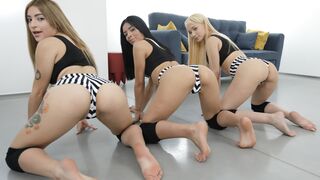
At its center, twerking depends on moving the bottom part of the body while keeping a handle on the upper part. Newcomers usually begin by standing with their feet apart, knees a bit bent to help easy moves. The main point is to work the backside muscles and middle section, making a popping sound through quick tightening and loosening. This basic move known as basic twerk; has bending the back just a little and pushing the hips back in time with music.
Beat is a key part, matching moves to songs makes the whole flow better. Training in front of a glass helps polish stance, keeping the back straight to dodge stress. As skill gets better, adding hand moves brings style, changing a plain wiggle into an all-body show. Changing foot steps like moving weight from one leg to another makes it more fun and stops it from getting dull.
For people looking into twerking in grown-up places, the focus changes to how it feels. Taking things slow lets you move parts of your body more clearly, which makes the dance more expressive. This change shows how twerking can fit many settings, making it good for close times where staying attractive is more important than quickness.
Advanced Variations and Styles
After the basics are learned, dancers can try new skills to make their moves better. Wall twerking, for an example, uses a straight surface for help which lets them do flips that need more balance and power. This kind of move makes the exercise tougher working out other muscles like quads and hamstring's.
Floor work brings in a new part, where dancers go down low and add rolls or slides. These parts come from modern dance styles, mixing twerking with gymnastic style. In teams, matched twerking makes pretty sights, often found in music clips or live acts. Choreographers often mix these moves with turns or leaps pushing body limits.
In grown up fun, fancy shaking often uses things or outfits to make themes better. The dance turns into a way to tell stories of strength or charm through careful moves. Getting good at these styles takes hard work, as they mix skill with artful expression, drawing in viewers looking for both show and meaning.
Health Benefits and Considerations
Twerking gives many health perks, acting as a strong heart workout. The back and forth hip moves make the backside, stomach, and lower back stronger, helping with standing tall and staying power. Doing it often can help you stretch better in your hips and back, lowering chances of getting hurt in daily tasks. Plus, the steady beat boosts heart health while burning fat and offering a fun choice to usual workouts!
In your mind, shaking your body helps you feel better about yourself by making you aware of how you move and express. It acts as a way to ease stress; letting out happy feelings when you move with music. In grown-up situations, it can help bring people closer and build up confidence which adds to feeling good emotionally.
But, steps are needed to stop too much effort. Wrong form can cause pain in the lower back or knees, so it’s important to warm up with stretches. Paying attention to your body and slowly raising the level helps keep away tiredness. Talking to fitness experts for special tips makes sure you safely enjoy this fun activity.
Twerking in Adult Entertainment
In the grown-up fun world, shaking holds a big spot as an important show part. It shows attraction and skill, grabbing watchers with its catchy beats. Workers often use shaking to create excitement and interest, showing how the dance can mix art with charm. This setting has lifted shaking from a simple move to a job skill, with dancers working hard to get better at their craft!
The grown-up group likes shaking for its good parts, letting people take back and enjoy their bodies. It goes against social rules, supporting acceptance of different ways to show sexuality. From this view, shaking is more than just a dance: it becomes a way for personal and cultural stories.
The Future of Twerking
As wiggling goes on to change, its mix into fake world and websites shows endless choices. New artists and stars are changing the dance, joining it with tech for fun times. This growth keeps wiggling important, changing with new groups while respecting its roots.
To sum up twerking is a lively mix of culture fitness and expression. No matter if you see it as a fun thing or a job, it gives deep thoughts about moving and getting to know yourself. Accepting its past and ways makes the fun even better, making twerking an enduring event.
